
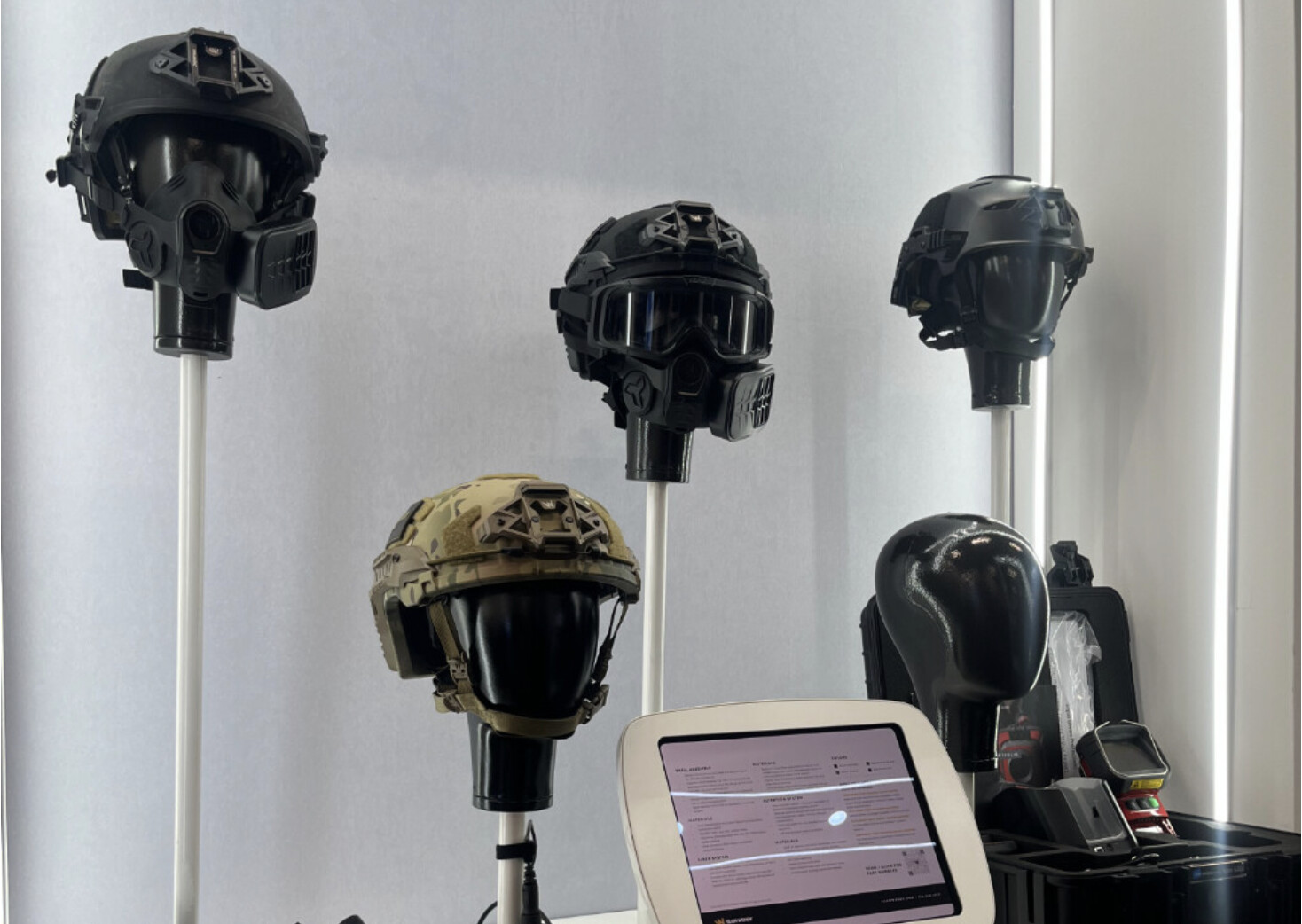

At Enforce Tac 2026, BodyArmorNews.com spoke to Thomas Bowman, Project Category Manager for International Helmets at Team Wendy about one of the biggest invisible threats facing soldiers today: traumatic brain injuries. Many helmets protect the outside of the head, but the challenges of creating equipment that prevents damage to the brain has been at the top of Team Wendy’s priorities. Their Rifletech helmet emerges as a clear solution to this pressing issue, while balancing ergonomic concerns and wearability.
The Prevalence of Brain Injuries
According to Disabled American Veterans, traumatic brain injuries or TBIs have affected 15-20% of veterans from Iraq and Afghanistan. TBIs can cause worrying consequences. These include physical symptoms – such as headaches, sleep issues, nausea, fatigue – but also extend to cognitive impairments – memory loss, concentration issues – and even emotional concerns – depression, anxiety or personality changes.
The difficulty of preventing TBIs is often the result of their “invisible nature”. Unlike bleeding cuts or broken limbs, TBIs might not physically manifest and many soldiers do not realize they are affected until after their service. In addition, there is stigma surrounding symptoms that are not visually displayed, especially in terms of mental health.
Preventing TBIs
This is where Team Wendy comes in. Their Rifletech helmet design is based on extensive research into the prevention of TBIs. Its unique promise of ballistic protection at the NIJ III level, coupled with its prioritization of comfort and user adaptability, makes it a truly innovative product.
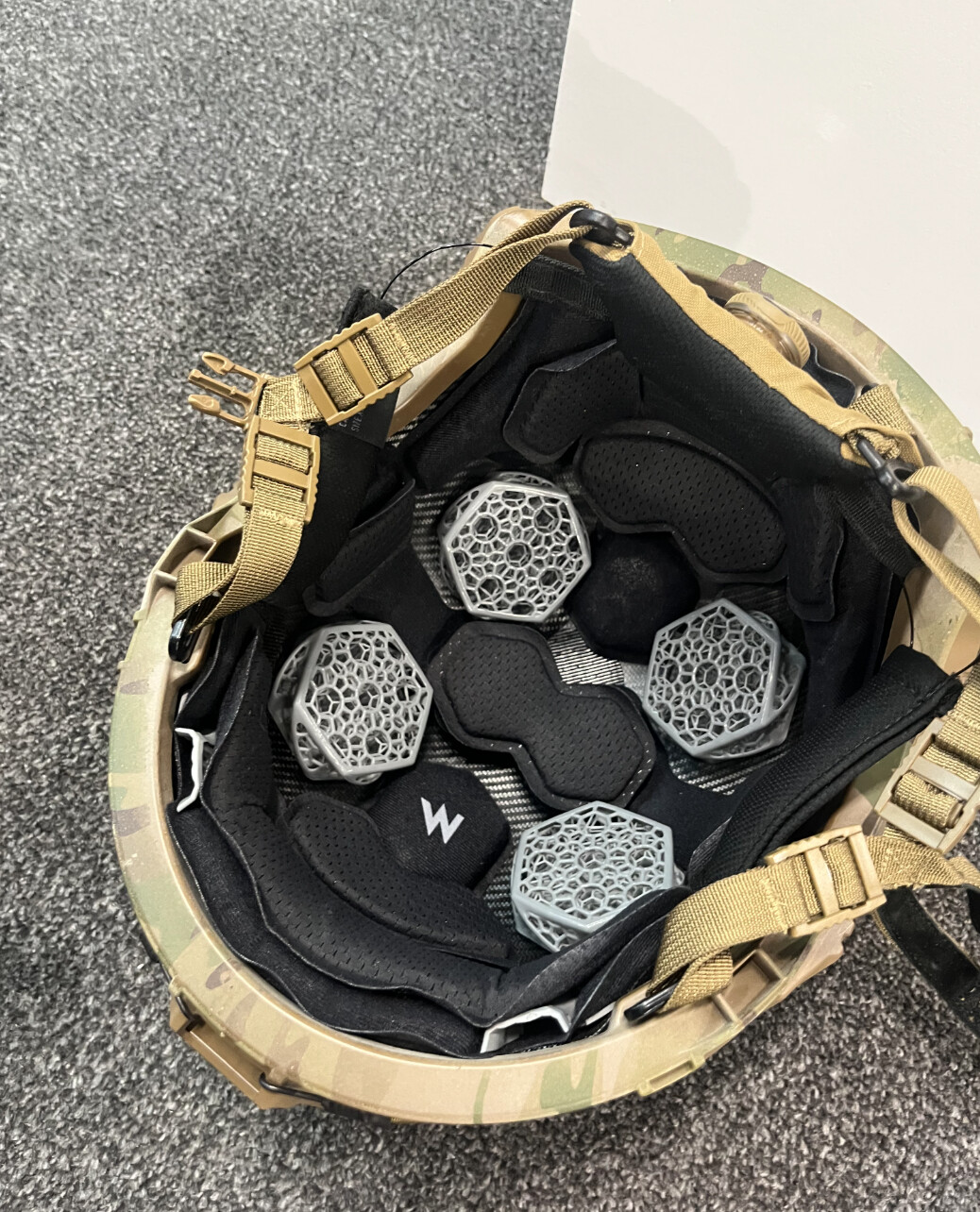
The ergonomic design, made “without screws” as a complete shell and using lattice technology, delivers on the promise of ensuring safety for the head. While modular components – such as the half mask and goggle options created in partnership with Avon Protection – ensure external protection, it is the internal Zorbium foam used that really guarantees its life saving potential.
The Next Level
Bowman explains that the increasing escalation of global military conflict might make this technology all the more important. Currently, the Rifletech is used mainly by military, so its reach is expected to grow in the coming times. As more and more soldiers go into battle, it becomes all the more crucial that they are protected, not just in the short-run. To Bowman, the next steps for the industry are clear: the technology requires “finetuning” and must be made “available to the global market”. An investment into traumatic brain injury prevention is, now more than ever, an investment into the longevity of soldiers themselves.