

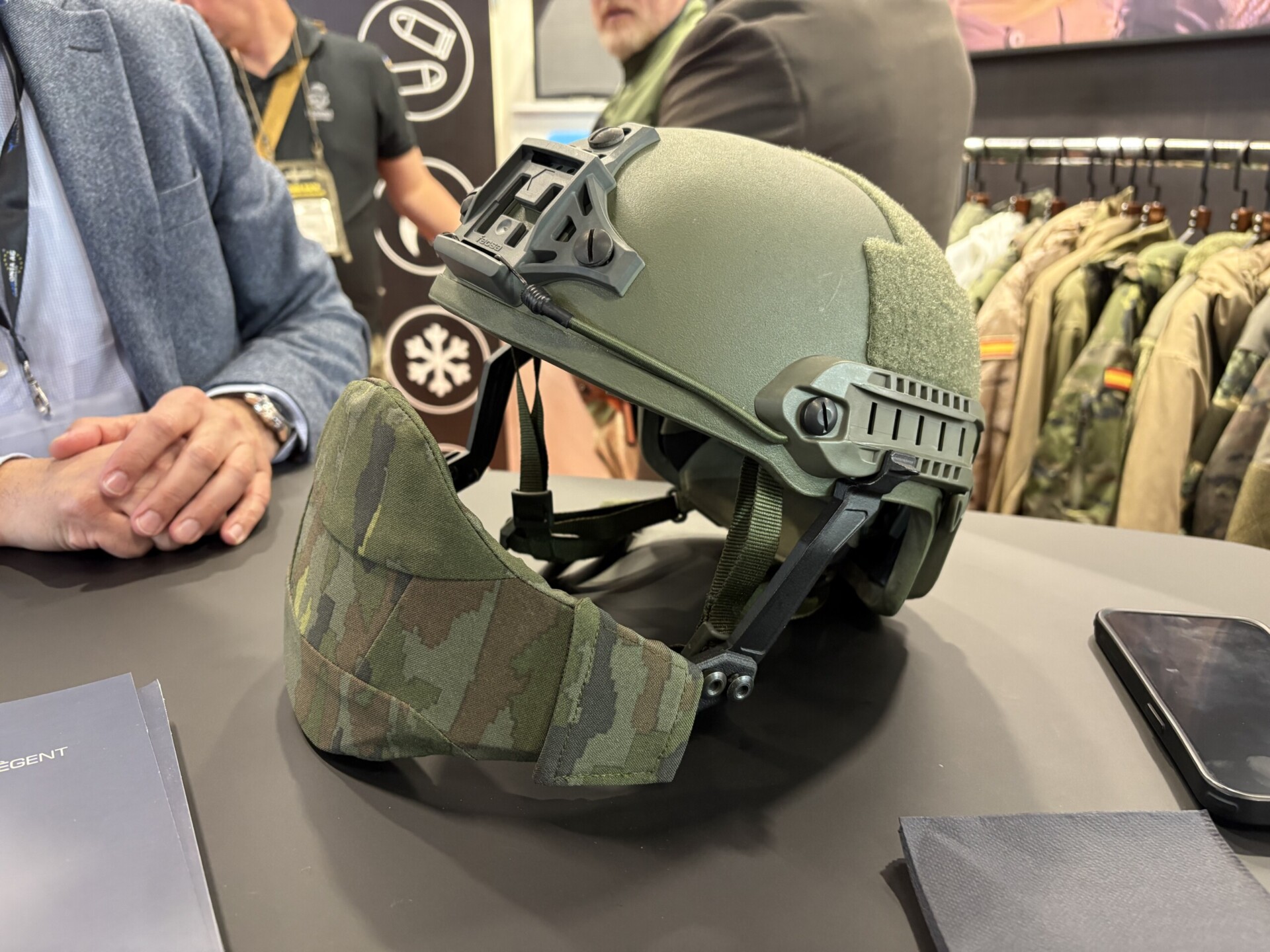

Manufacturers across Europe are scaling production to meet unprecedented demand, even as the pressure to deliver threatens to slow long-term product development: interviews with Croshield and Fecsa.
Europe’s ballistic protection industry is entering a period of rapid transformation. Rising defence spending, the war in Ukraine, and growing concerns over supply chain security are driving governments to invest more heavily in domestic manufacturers, reshaping a market that for years relied heavily on global sourcing and long procurement cycles.
For companies such as Croatian manufacturer Croshield and Spanish defence firm FECSA, the shift has created major opportunities, but also new challenges. BodyArmorNews.com conducted interviews with both companies, revealing an industry racing to expand production capacity while struggling to balance immediate demand with future product development.
Europe turns toward local manufacturers
One of the clearest trends emerging across the defence sector is the growing preference for European-made ballistic solutions.
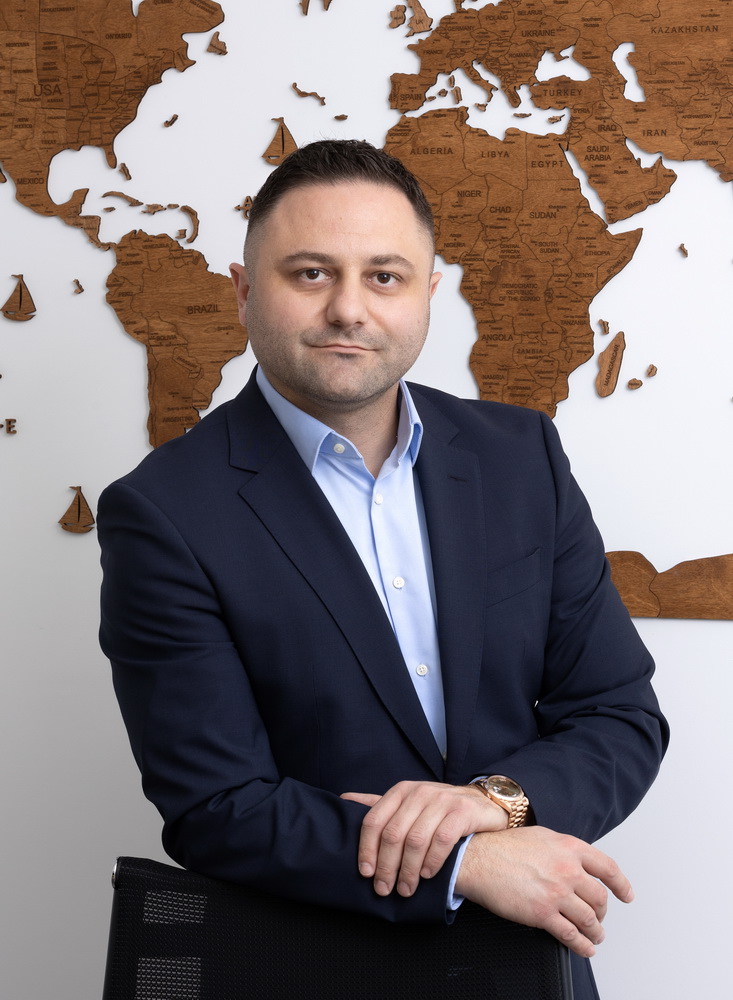
Croshield, founded in 2006 and fully manufacturing in Croatia, says demand from European customers has increased significantly over the past two years. The company supplies ballistic equipment to military, police, and special forces units across Europe and exports globally. “In the past two years, they have been buying more and more from European body armor manufacturers,” Croshield’s CEO, Drazen Frkovic, said during the interview.
The shift reflects broader concerns surrounding strategic autonomy and supply chain resilience. European governments are increasingly prioritising local production capabilities, particularly for defence-related technologies and equipment.
FECSA’s Head of Business Development, Javier Rodríguez Vila, described the trend as part of a wider industrial transition taking place across Europe. “There is, of course, a trend of governments supporting their local industry,” Rodríguez said. “Also, to ensure the sovereignty and the capability of being strong enough to cover any potential risks in this very high-changing environment.”

For European manufacturers, the result has been a sharp increase in both production pressure and market opportunity. “Europe is the place to be,” Rodríguez added. “It is where the investments will be in the next 10 years.”
Faster timelines, growing pressure
The increase in demand is not only affecting order volumes but also accelerating development cycles. According to Croshield, projects that previously required years of development are now expected within months as customers seek faster procurement and deployment. “Before, we needed one or two years to develop something,” Frkovic explained. “Today, this can be in two to three months.”
The company is currently expanding its production facilities and plans to consolidate manufacturing, offices, and showroom space under one roof to increase output capacity.
FECSA has similarly invested heavily in scaling production capabilities in recent years. Rodríguez said the company is preparing to meet growing European demand with shorter lead times and higher manufacturing volumes. “We are ready to accept the challenge of providing highly technical products in short times in high quantity,” he said.
The urgency reflects broader changes in Europe’s defence posture since the start of the war in Ukraine. According to FECSA, operational requirements are also evolving, particularly regarding protection against Warsaw Pact ammunition calibres seen on NATO’s eastern flank. “The newest scenarios on the east flank are requiring adaptation of the solutions,” Rodríguez said.
Is rapid growth slowing development?
Yet beneath the industry’s expansion lies a growing concern: whether manufacturers can continue innovating while operating under constant production pressure.
One of the most revealing moments from the interviews came when Croshield acknowledged that many companies are now prioritising delivery over research and development.
“Everyone is focused just on producing and delivering,” Frkovic said. “In this moment, I see that everyone is chasing profit.”
The comment highlights a broader tension emerging across the ballistic protection sector. While defence budgets are growing and procurement cycles are accelerating, manufacturers may have less time to invest in long-term experimentation and next-generation technologies.
Croshield admitted that its own focus on research and development has temporarily slowed as production demands increased. “We are also in this moment chasing the orders, delivering the orders, and we are a little bit less in the R&D at that moment,” Frkovic said, adding that the company expects to increase development efforts again in 2027.
The challenge is particularly relevant in a market increasingly defined by rapid technological evolution, lighter materials, and integrated soldier systems.
Innovation continues despite the pressure
Despite the operational strain, both companies continue investing in new technologies and lightweight protection systems.
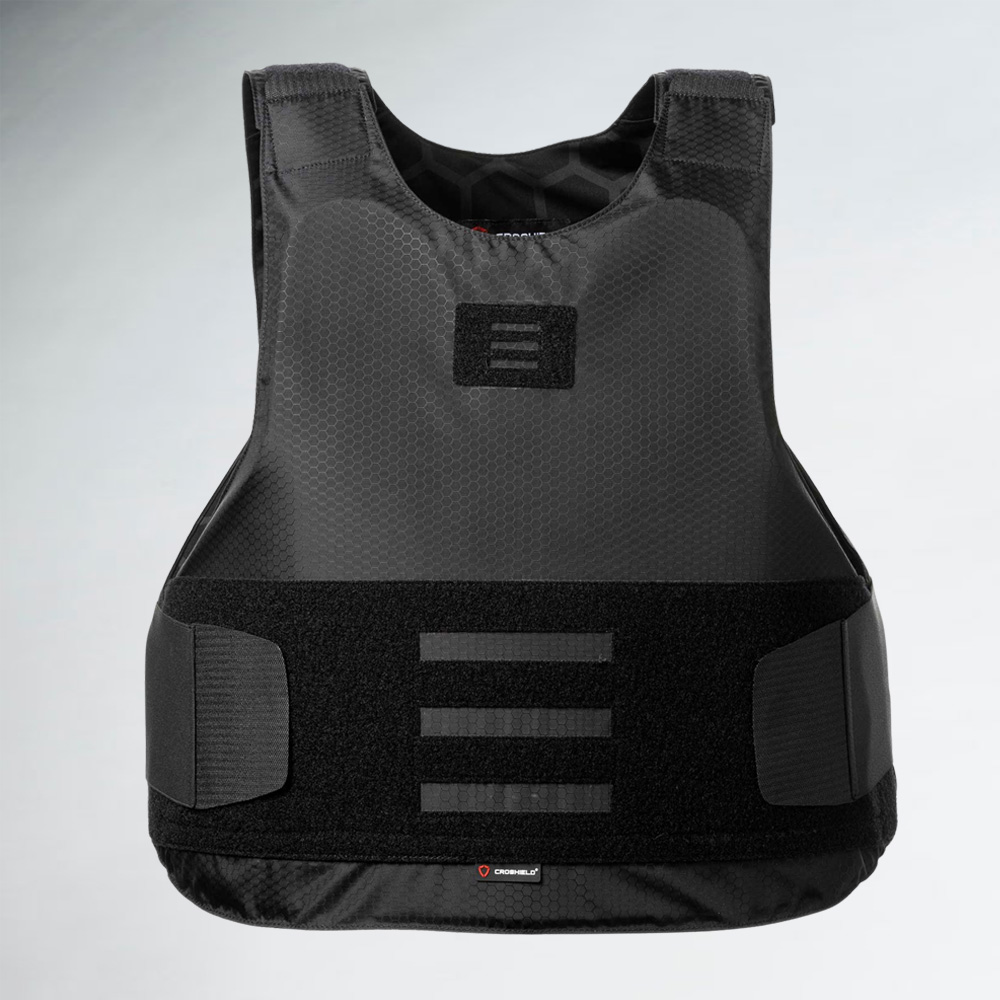
Croshield recently introduced its HyperElite concealable bulletproof vest, which the company says incorporates advanced graphene-based materials intended to help regulate body temperature while also providing antibacterial properties. The vest is designed for both overt and covert applications and forms part of the company’s push toward lighter and more ergonomic systems.
FECSA is similarly focused on reducing weight while maintaining high levels of protection. Rodríguez highlighted the company’s ultra-lightweight COBAT ballistic helmet and a Level IV polyethylene ballistic plate weighing under 2.2 kilograms, developed for special operations forces.
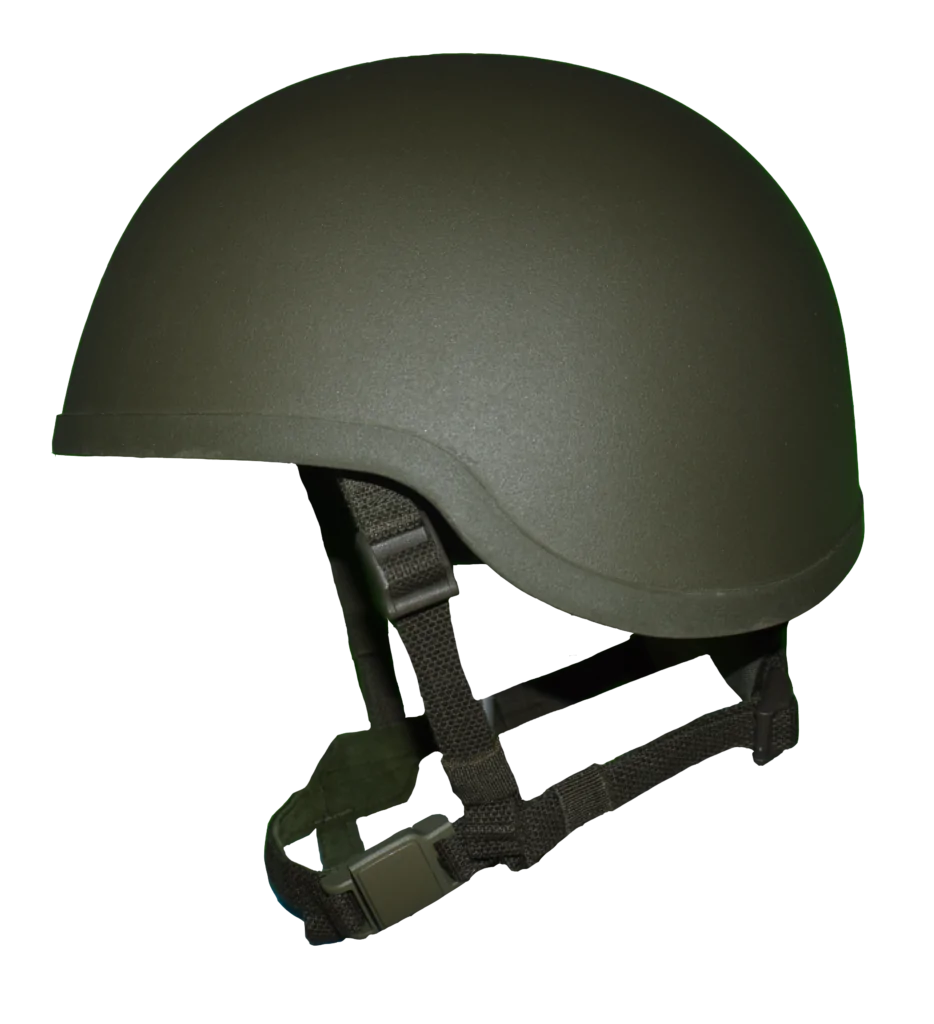
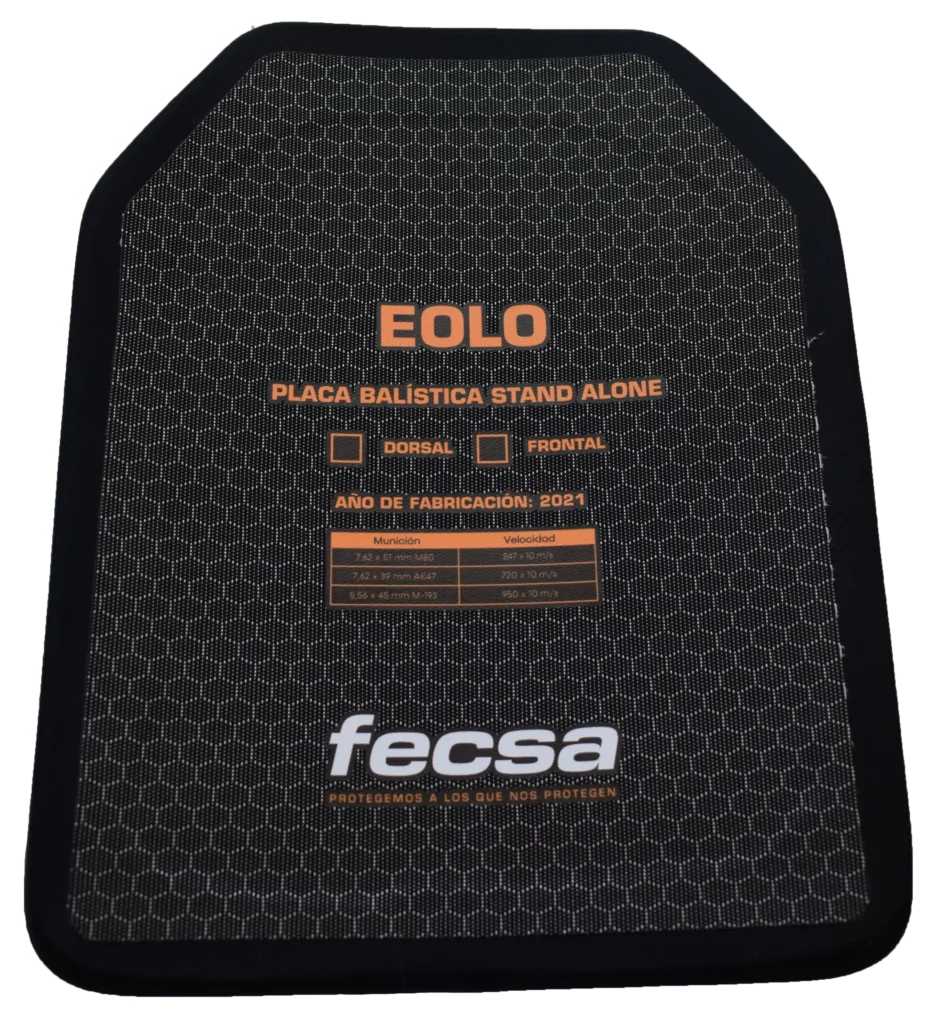
“We are very focused on providing the highest protection level possible on the lowest weight,” Rodríguez said.
The company also stressed the importance of operational testing and direct user feedback. Both FECSA and Croshield described close collaboration with soldiers and special forces units, with products undergoing field testing before wider deployment.
“At the end, all products are designed by end users.” (Frkovic)
Female-specific protection becomes a growing focus
Another trend gaining attention across the industry is the increasing demand for female-specific ballistic systems.
Both companies noted that more women are entering military and law enforcement roles, creating greater demand for armour designed around female ergonomics rather than scaled-down male equipment.
Croshield said nearly all of its systems can now be adapted for female users, while FECSA already supplies female-specific protection systems to the Spanish armed forces. “Female vests should be a must in all armies,” Rodríguez said.
The issue has become particularly relevant in Ukraine, where large numbers of women are serving in active military roles.
An industry entering a new phase
The interviews with Croshield and FECSA illustrate an industry undergoing rapid change. European ballistic manufacturers are no longer operating solely as niche suppliers competing on technical specifications, but are increasingly becoming part of a broader conversation around strategic autonomy, industrial capacity, and defence readiness.
At the same time, the pace of growth is creating new pressures. Manufacturers are being asked to scale faster, deliver quicker, and adapt products to evolving battlefield realities — all while continuing to innovate. For now, demand shows little sign of slowing.
“We protect who protects us,” Rodríguez said, summarising FECSA’s philosophy.
As Europe continues reshaping its defence industrial base, companies across the ballistic protection sector may soon find that balancing production and innovation becomes one of the industry’s defining challenges.