
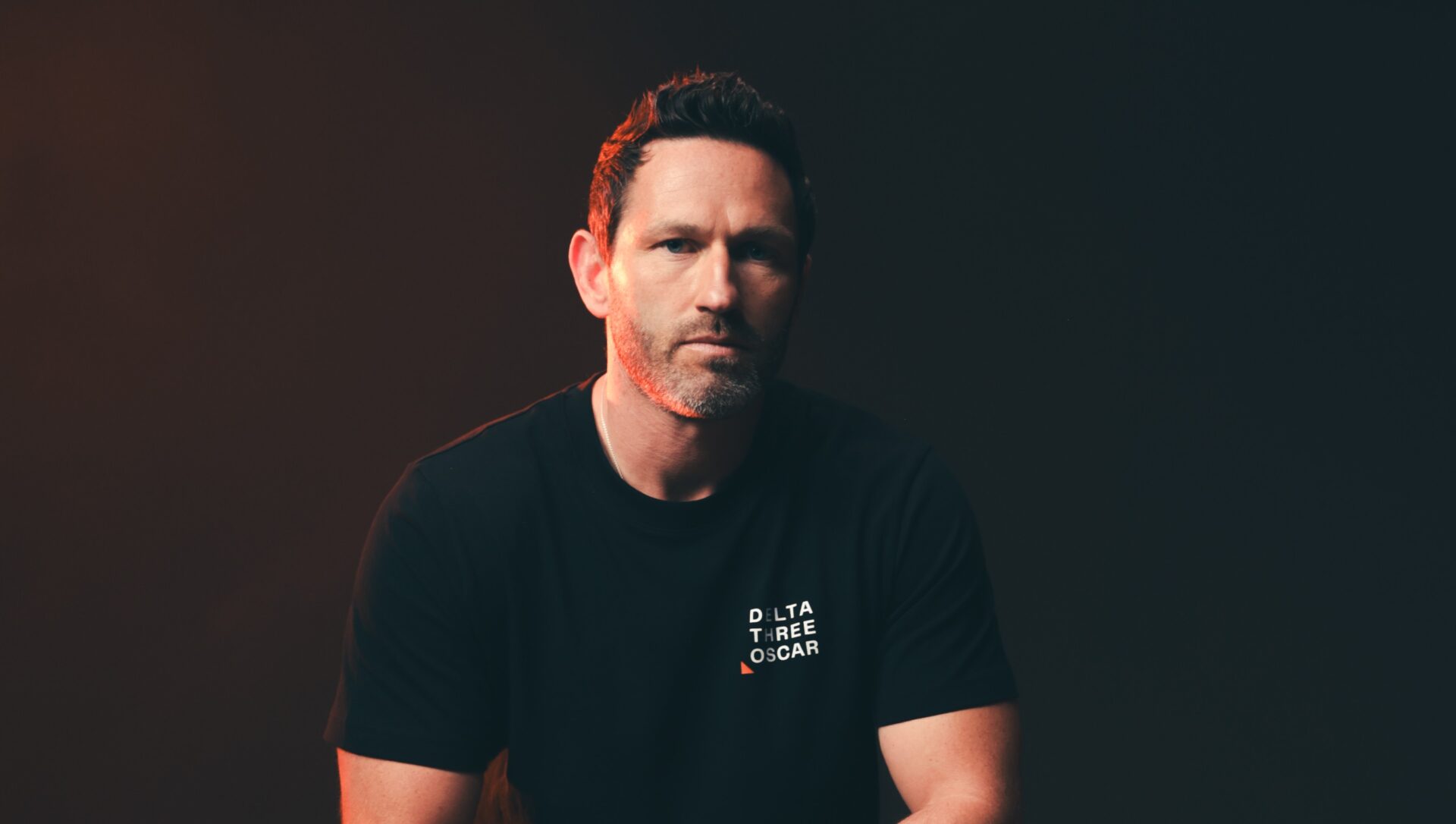


Delta Three Oscar, the military and ballistic protection division of D3O, announced their first-ever brand ambassador partnership with Jay Morton in April 2026. Jay Morton is a former Parachute Regiment and SAS soldier, with altogether 14 years of distinguished military service under his belt. He’s known for Channel 4’s SAS: Who Dares Wins, as well his strong online presence speaking about various military related causes. As an expedition leader and two-time Everest summiteer, he has witnessed developments within protection technology, both in civilian and military fields.
In an exclusive interview with Jay Morton, BodyArmorNews delved into how the collaboration between Jay and Delta Three Oscar came to be, and why he chose to partner with the company.
How did the partnership with Delta Three Oscar happen?
“Personally, I like to work with brands that still have a connection to the military. I’ve known about D3O for a long time, obviously through motorcycling, biking and hiking. We started talking with the guys at D3O and Delta Three Oscar probably about six months to a year ago about the partnership, because there’s a crossover in what they do and in the sports that I do.”
“I joined the military in 2004. We were in Afghanistan in 2006. We were still using super old technology in terms of ballistic plates and ballistic armour, and had this big clunky system called the Osprey. It offered better protection in terms of a ballistic plate, but the thing just couldn’t move, and we hated it. Your job as a soldier is to move fast over a lot of ground, and be able to retain enough energy to do your job when you need to.”

“I like being partnered with a company that is kind of leading that technology. Making kit more ergonomic. Lighter and with better protection in terms of ballistic padding, to reduce blunt trauma. Insoles to reduce fatigue in the ankles and feet, and ballistic padding in the helmets.”
“Seeing what D3O are doing now, looking at the lightweightness, maneuverability and ergonomics of their new armour. Having visited their labs, it still provides as much, if not more, protection than their older stuff which was thicker. To then take that technology into the military sector sits close to my heart.”
Goals as Delta Three Oscar’s Brand Ambassador
One of the goals in the partnership between Jay and Delta Three Oscar is to drive the product into the correct hands, not only for commercial reasons but also for research and development.
“For example, by using our contacts in the U.S. Special Forces and British Special Forces. If Delta Three Oscar can get their kit into those hands, we can get live feedback from operational theaters that are going on. That gives Delta Three Oscar the information needed to be able to develop their kit to fit modern warfare.”
Jay has worked on various partnerships and awareness campaigns, ranging from military-related equipment to debunking stigma on men’s mental health. He explained how the partnership with Delta Three Oscar differs from other media campaigns he’s worked on.
“If I’m being honest, I don’t think there’s a stigma around wearing helmets. No one’s going ‘I don’t want to wear ballistic protection.’ I guess part of it would be for me to try to raise awareness of what Delta Three Oscar are doing.”
“For example, lads in the military and special forces units, we all know the importance of having bullet-stopping armor on our chest and backs. But sometimes we don’t understand the value of, okay, so if that round hits me and there’s no protection from the rear of that plate, that can cause fractured ribs and damaged internals. The plate that goes behind the ballistic padding reduces the chance of trauma injury. I’ve seen people get shot in the plate, and it knocks them on their ass straight away. It’s almost like being hit by Mike Tyson.”
“There’s an educational aspect of making sure that lads know that this kind of stuff is out there. The difference between being dragged off the battlefield because you’ve been shot in the chest plate. Now you’ve got fractured ribs, and now you can’t shoot your weapon and be a valuable asset to your team. If you’ve got the correct padding behind those plates, you can ultimately be shot multiple times and still carry on.”

Jay Morton in the British Armed Forces.
Advocating for veterans’ wellbeing
On top of partnering with military-affiliated companies, Jay has been outspoken about the struggles soldiers sometimes face mentally after deployment. On social media, he advocates for honest communication between men about their emotional struggles. Earlier this year, he participated in a 306 kilometer run from Hull to Liverpool in a campaign for Veterans For Veterans UK and Head Up Charity, raising awareness for veterans enduring hardship after returning home. Speaking about the reality of confronting hard feelings as a veteran sits close to his heart, as it has affected him personally.
“When I left the military in 2018, there was this period of time when I probably didn’t want anything to do with the military. I was in a bad way, and felt like I just wanted to separate myself from that world. The longer you’re out, the more you actually realize how important that part of life was to you.”
“I don’t think the military did enough for the mental health of soldiers. I don’t know if it still does. I’ve personally witnessed it in colleagues of my own. In a very masculine, testosterone-heavy environment, the last thing someone is going to do is to come out and say, ‘I’m struggling with something.’ It doesn’t need to be something that they’ve seen in combat. It could be something at home.”
“We all have stresses in the world, right? I think it’s important for people to get to a point where they feel comfortable with talking about difficulties. I think the more we do that, the more people open up. Trying to change the culture internally. You can still be masculine, but there’s nothing wrong with talking about stuff that’s going on. I’d like to see that in the next 10 years.”
Men’s mental health on social media
According to Jay, the stigma surrounding men’s mental health is not limited to the military. He has spoken about the manosphere phenomenon on social media, and particularly how it can influence young men.
“We live in a difficult time. Through social media we’ve been fed, you know, that we need to drive a Lamborghini and have a Rolex watch. You’re being force fed crap off people that have never done a hard day’s work in their life, right? People who sit on social media and tell men that they need to speak to women in a certain way, or that men are worthless unless they’ve got a Lamborghini and Rolex. And that the road to success is to post videos about being a misogynist.”
“There’s nothing wrong with owning a Lamborghini or a Rolex. But if you’re 18 years old, your route to success takes 10 to 20 years. Do the basics of being a man well, and then you work on whatever it is that you want to work on. Then buy the Rolex. If you want that, amazing. But I think we’ve all got a responsibility to show up in society as good human beings. You’re supposed to make other people’s lives better, not worse.”
Future expeditions
Jay runs an adventure travel company, Concept Expeditions, for clients all over the world. Some of his future expeditions include the Spaghetti Tour in the Alps, mountaineering routes in Argentina, as well as plans for a third summit of Mt. Everest in 2028.
“I think, weirdly, when you stand on the summit of Everest. You know, you’ve heard about this mountain your whole life. Then you stand at the top and realize that it’s just a patch of ground with snow. It becomes less mysterious.”
As to why he is planning a third attempt, Jay’s explanation was his love for testing his limits. “I love putting myself in challenging environments and proving to myself what I’m capable of. I’ll do it a third and fourth time if given the opportunity.”