

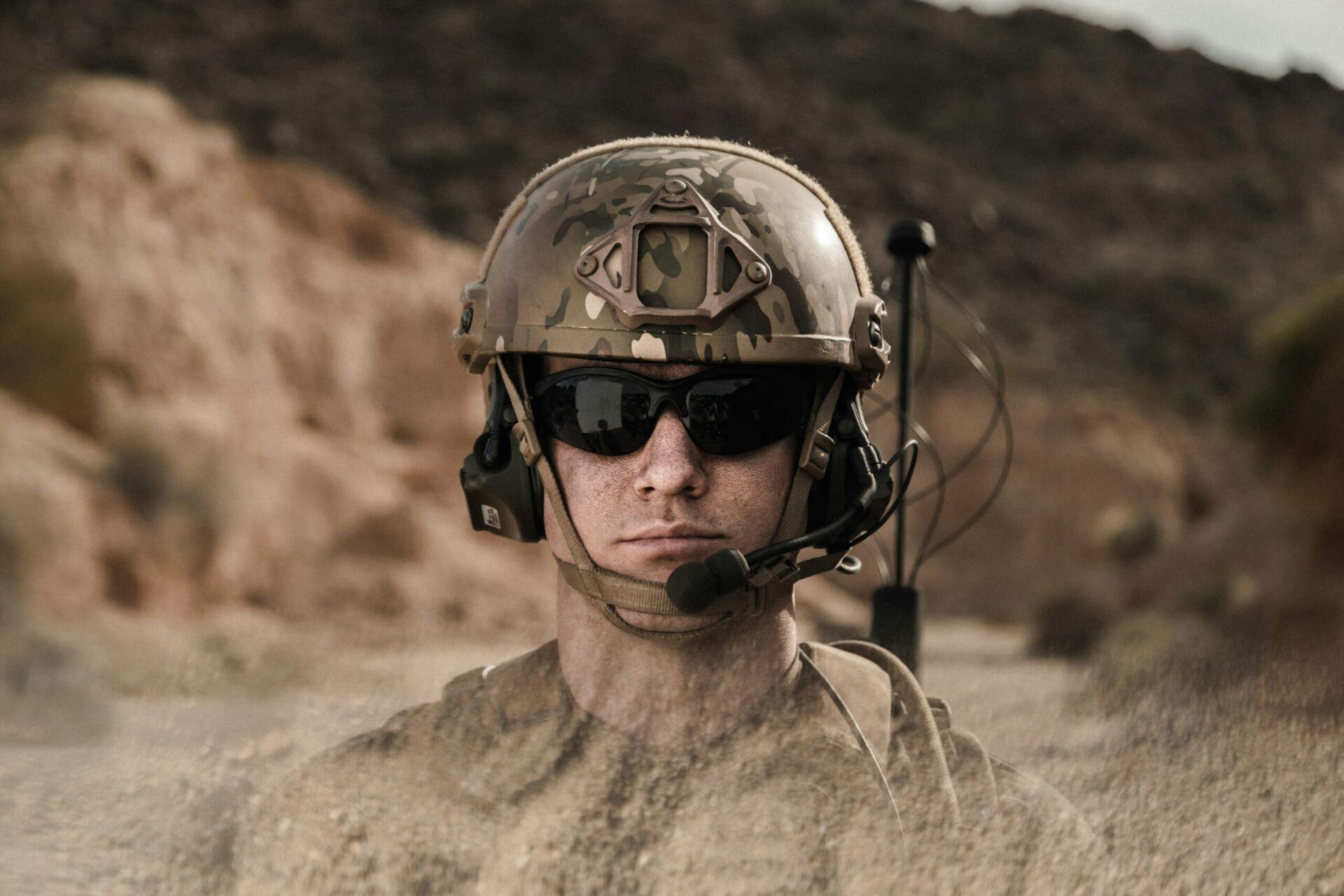


In the world of personal protection, reputation is earned through precision, consistency, and trust. While many manufacturers rely on complex international supply chains, one South African company has taken a very different path, bringing nearly every stage of production under one roof.
Zebra Protection, headquartered in Durban, has spent more than a decade quietly transforming itself into one of the world’s most vertically integrated manufacturers of ballistic helmets and protective plates. The result is a manufacturing model that delivers greater quality control, enhanced reliability, and a level of independence that few competitors can match.
A Global Presence from South Africa
Representing the company at an international defense exhibition in France, Sonja Morphis, Chief Financial Officer (CFO) of Zebra Protection, explained why the annual event has become such an important fixture on the company’s calendar.
“France has become an excellent meeting point for our international customers,” Morphis said. “It allows clients from across Europe, the Middle East, and the Americas to meet with us in one location, see our latest developments, and discuss future projects.”

Although Zebra Protection continues to serve customers within South Africa, exports now account for approximately 95 percent of its business, underscoring the company’s growing global footprint in the protective equipment sector. Yet international success has not come from simply expanding sales. It has been driven by an ambitious manufacturing philosophy.
Investing in Vertical Integration
Over the last ten years, Zebra Protection has invested heavily in vertical integration, taking direct ownership of the production processes that many manufacturers outsource. The company now weaves its own aramid fibers, the advanced material used in ballistic protection, before transforming them into finished helmets within its own manufacturing ecosystem.
The commitment extends well beyond composite materials. Zebra Protection also manufactures critical hardware such as bolts and fastening systems internally, ensuring that every component meets the company’s own engineering standards.
Even specialized processes that remain outside its facilities are closely controlled. Injection molding, for example, is carried out by trusted manufacturing partners using Zebra Protection’s proprietary tooling and molds. This approach combines the expertise of established local suppliers with the company’s uncompromising quality requirements.
Built for Quality and Reliability
The strategy offers significant advantages in an increasingly uncertain global manufacturing environment. By reducing dependence on external suppliers, Zebra Protection gains tighter quality assurance, shorter production cycles, greater flexibility, and improved resilience against supply chain disruptions.
For customers operating in defense, law enforcement, and security sectors, those advantages translate directly into confidence. Every helmet is built within a tightly managed production system where materials, components, and manufacturing processes remain under continuous oversight.
“When you’re buying a Zebra helmet,” Morphis explained, “you’re buying a completely integrated product.”
That simple statement captures the company’s philosophy. Rather than competing solely on price or production volume, Zebra Protection has chosen to compete on engineering excellence, manufacturing independence, and uncompromising quality.
Looking Ahead
As global demand for advanced protective equipment continues to grow, the Durban-based manufacturer is proving that world-class innovation does not have to come from traditional defense manufacturing hubs. Sometimes, the industry’s most impressive success stories are built far from the spotlight, one carefully engineered helmet at a time.